The transition to a circular economy is becoming increasingly essential for countries seeking long-term, resilient, and inclusive development. By moving away from the traditional linear model of “take–make–dispose,” circular approaches help preserve natural resources, save energy, reduce waste, and create new economic opportunities. In many regions—particularly those facing resource constraints or rapid urbanization—circular practices can strengthen local value chains, stimulate innovation, and reduce dependence on imported raw materials.
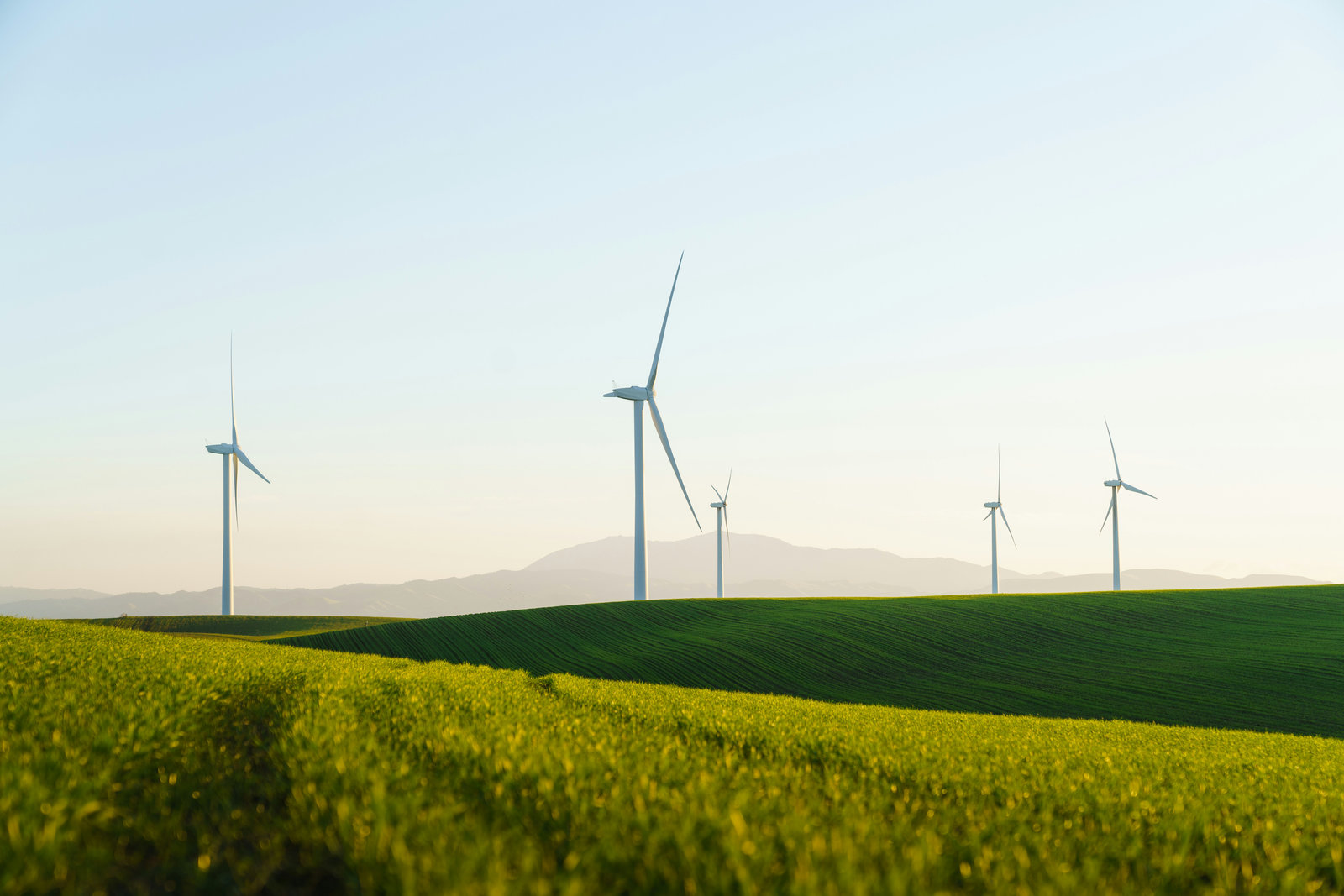
In the energy sector, a circular economy involves designing systems that minimize resource use and waste across the entire lifecycle of energy infrastructure. This includes reusing and recycling materials from solar panels, wind turbines, and batteries; extending their lifespan through maintenance and refurbishment; and recovering critical raw materials.
It also involves shifting towards renewable energy sources that naturally regenerate, reducing reliance on finite fuels. The result is a more resilient, low-waste energy system that lowers emissions, reduces costs over time, and strengthens material supply chains.
DEM has contributed to numerous projects where the circular economy has been a central guiding principle.
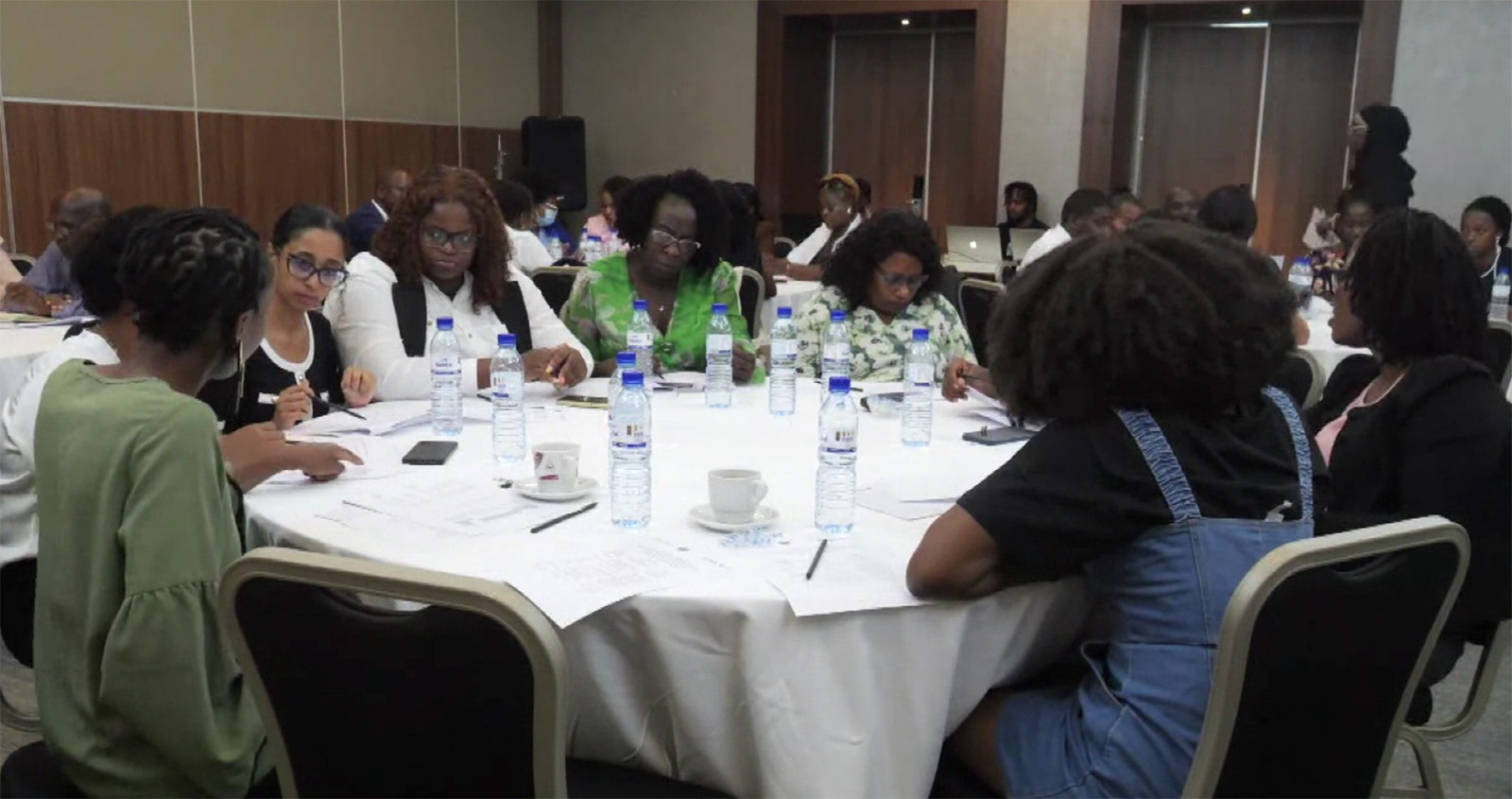
DEM has played a leading role in numerous energy and environmental projects where gender inclusion has been a core and defining element. Addressing gender dimensions in the energy sector is essential to achieving sustainable, inclusive, and equitable development outcomes. Women and men often experience energy access, environmental degradation, and climate impacts differently, and these differences shape their needs, priorities, and capacities to participate in—and benefit from—interventions. When gender considerations are overlooked, projects risk reinforcing existing inequalities and missing opportunities for more effective and socially responsive solutions.
Integrating gender perspectives strengthens project design by ensuring that technologies, services, and policies reflect the realities of all users. In the energy sector, this can improve access to reliable and affordable energy, enhance the adoption of clean technologies, and support more resilient livelihoods. It also fosters greater community ownership and long-term sustainability of interventions. In many developing contexts, women play a central role in household energy management, natural resource use, and community-level environmental stewardship. Recognizing their knowledge and agency not only improves project outcomes but also contributes to broader goals of empowerment and social inclusion.
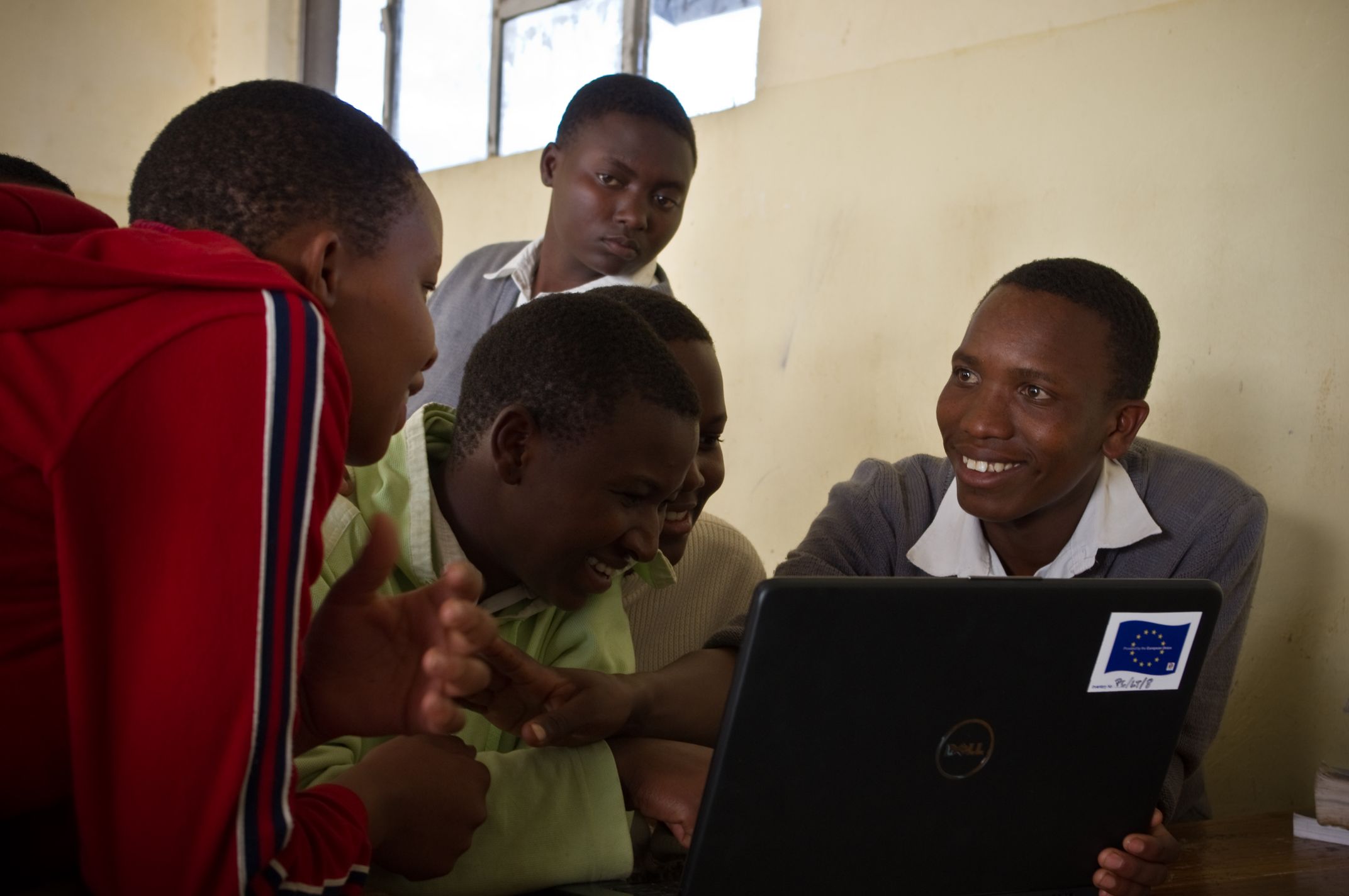
Information & Communication Technologiy (ICT) standards play a crucial role in enabling replicability and scaling of smart solutions, while allowing interoperability with other solutions and services to support integrated development.
At DEM, we support our clients at promoting closer alignment between countries regarding the production and use of ICT standards within emerging technologies like 5G, the Internet of Things (IoT), Machine-to-Machine communication (M2M) etc. and to standardize the exchange of statistical data, thereby facilitating trade, increasing interoperability and the ease of doing business for companies, and adding additional weight to ICT standardization efforts at the global level.

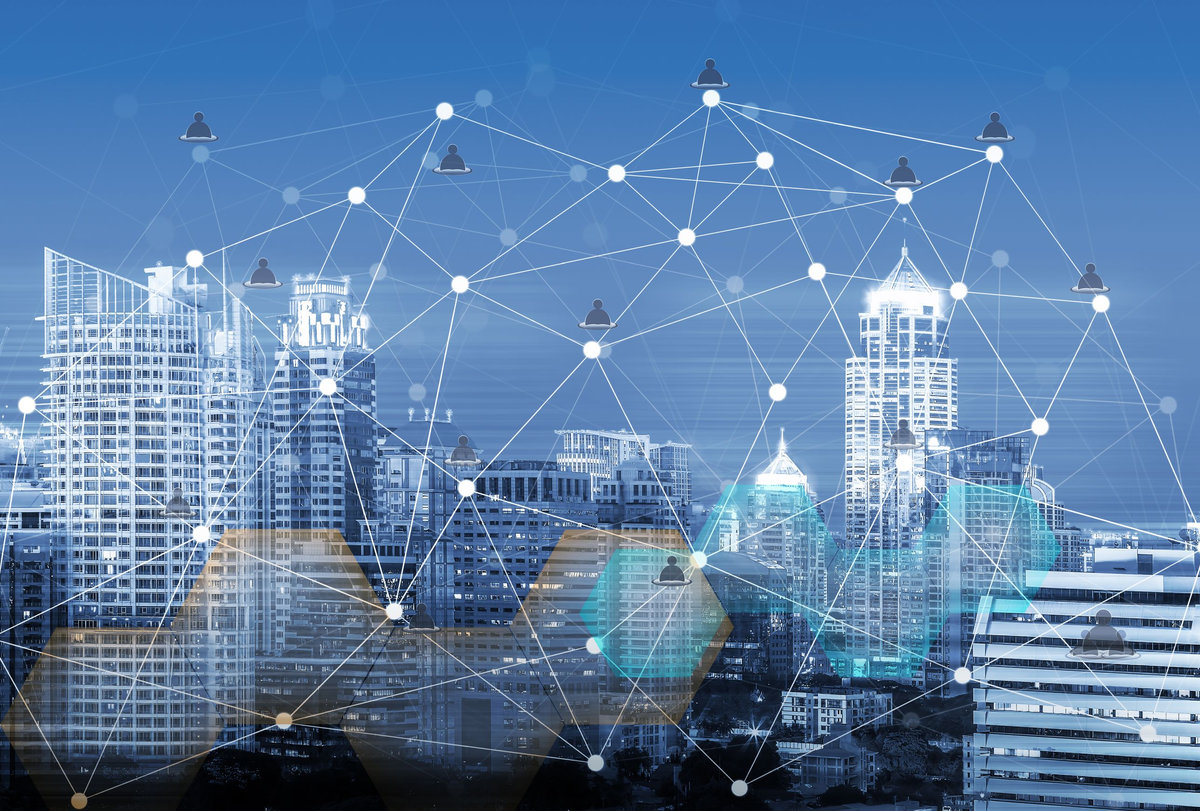
Digital technologies are important for improving the carbon footprint of cities and to mitigate climate change with a more intelligent and better use of energy in infrastructure, buildings, mobility etc.
At DEM, we identify challenges in developing smart and sustainable cities using Internet of Things (IoT) based solutions to improve how resilient cities are to climate change andnatural disasters, including monitoring of water, pollution, air quality and smart mobility. We apply smart solutions which involve the use of data and innovative application of technology for the provision of better infrastructure and urban services to improve the quality of life of citizens.
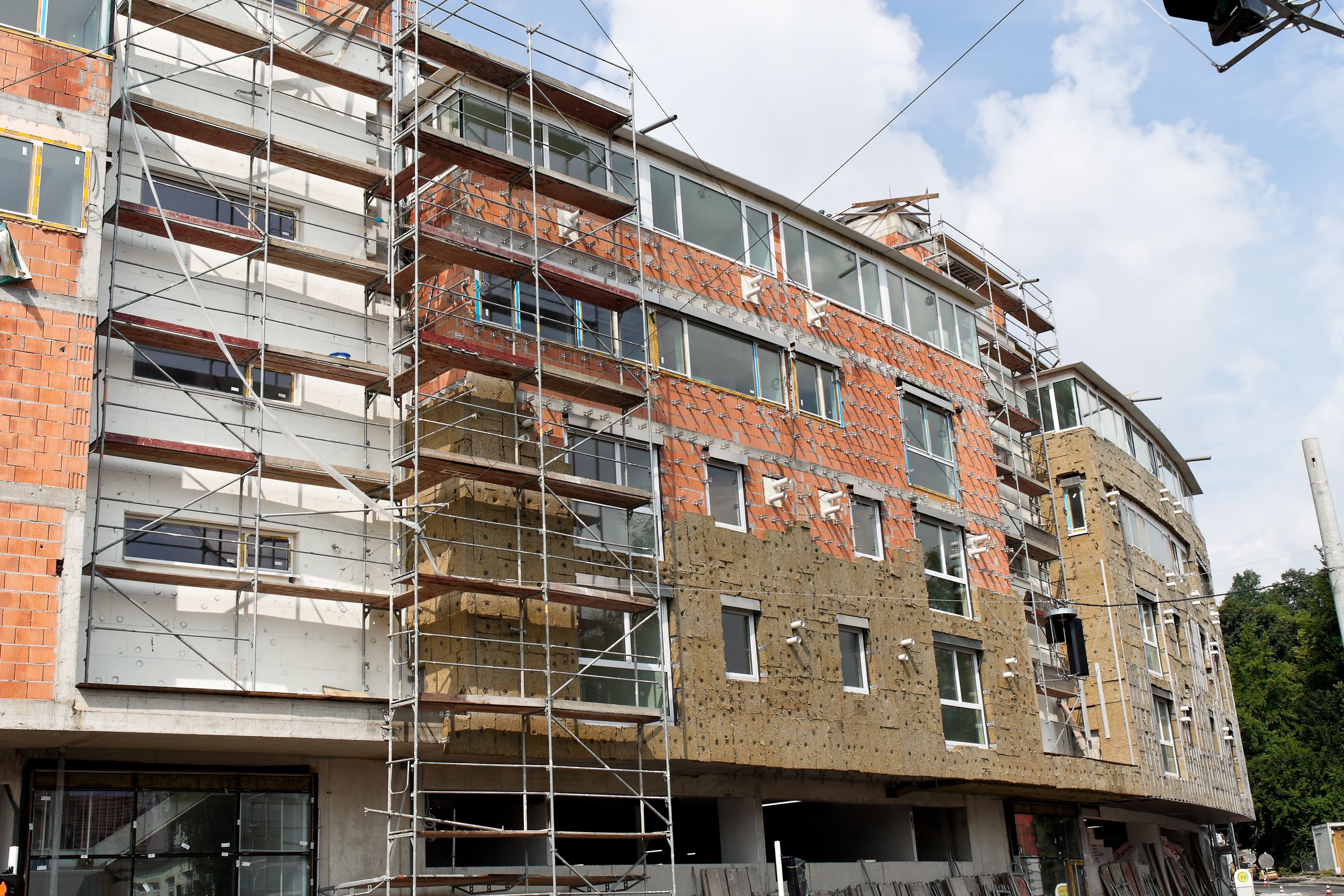
In the building sector, DEM is committed to provide energy efficiency solutions to contribute to developing green buildings. We provide detailed design and engineering drawings for energy efficiency services in buildings, including smart homes which integrate heating, cooling, lighting and air conditioning with Controlled Temperature Solutions (CTS), photovoltaic solar panels, smart windows, refrigeration equipment and optimization of building envelop.
By developing low carbon programs and implementing low carbon strategies using an energy management system, we ensure our clients by continuously monitoring the energy consumption of the building by systematically collecting, analyzing and presenting the energy data of the building for continuous improvements.
Do not hesitate to contact us if you have any questions about our Digital Technology services.