DEM’s services fall into two main areas: Monitoring and Evaluation (M&E) based on OECD/DAC criteria, and specialized monitoring within the energy sector.

DEM provides evaluation and monitoring services for programmes and projects with the overall aim of assessing whether objectives have been achieved and how efficiently resources have been used.
DEM has historically contributed to the development of the results-oriented monitoring system used by the European Union, and has since carried out numerous Monitoring and Evaluation assignments for the EU as well as other international donor organisations.
For country and programme evaluations, DEM typically assesses interventions according to the OECD/DAC evaluation criteria, which include:
DEM ensures objective data collection, structured stakeholder consultations, and rigorous analysis to provide clear and actionable evaluation results.
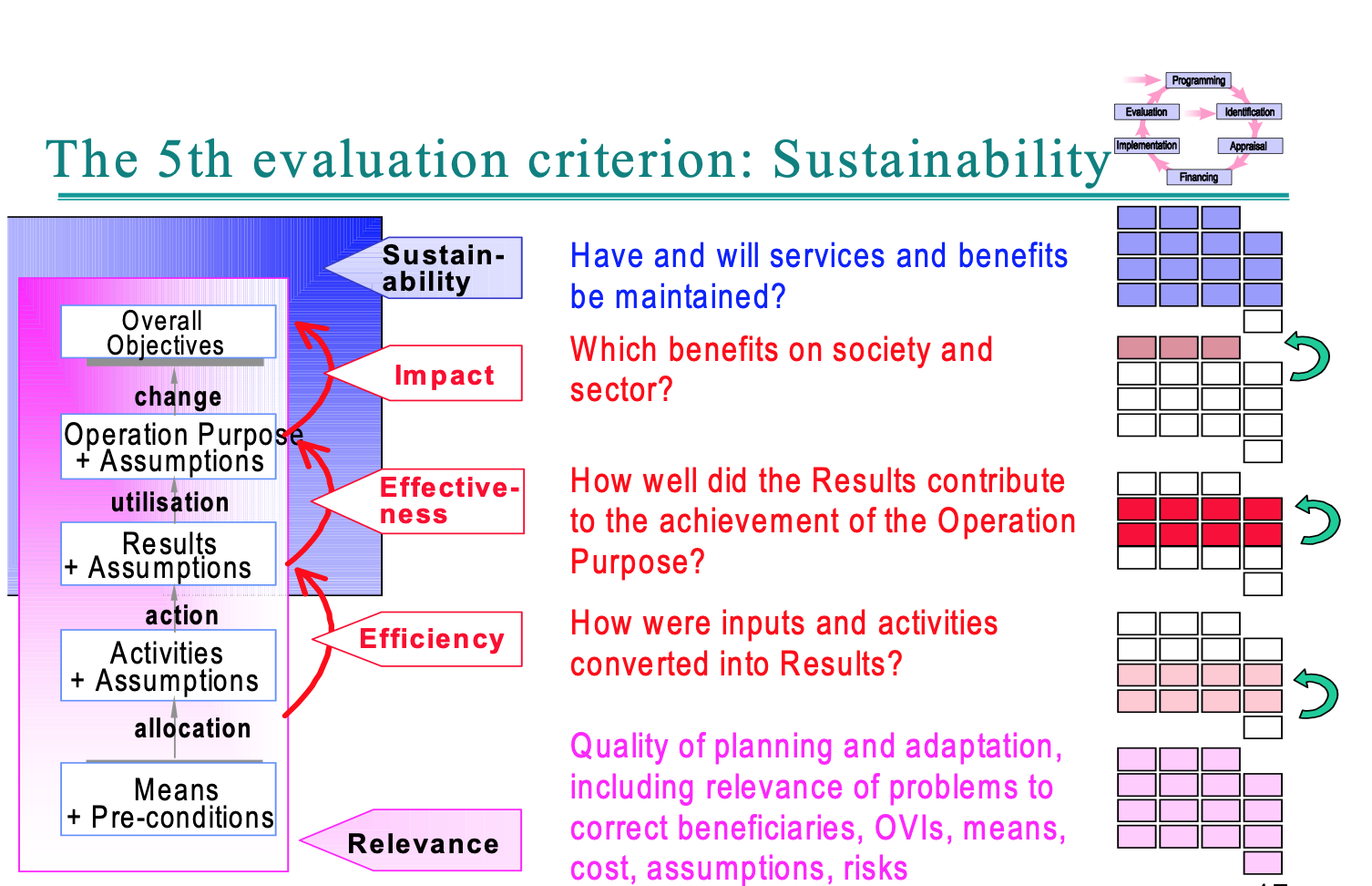
Source: EUROPEAN COMMISSION Manual: Project Cycle Management

Monitoring energy systems and consumption is essential for ensuring efficient and sustainable energy use. DEM provides specialized monitoring services within the energy sector, including:
These services support evidence-based decision making and transparent reporting of energy performance and climate impacts.
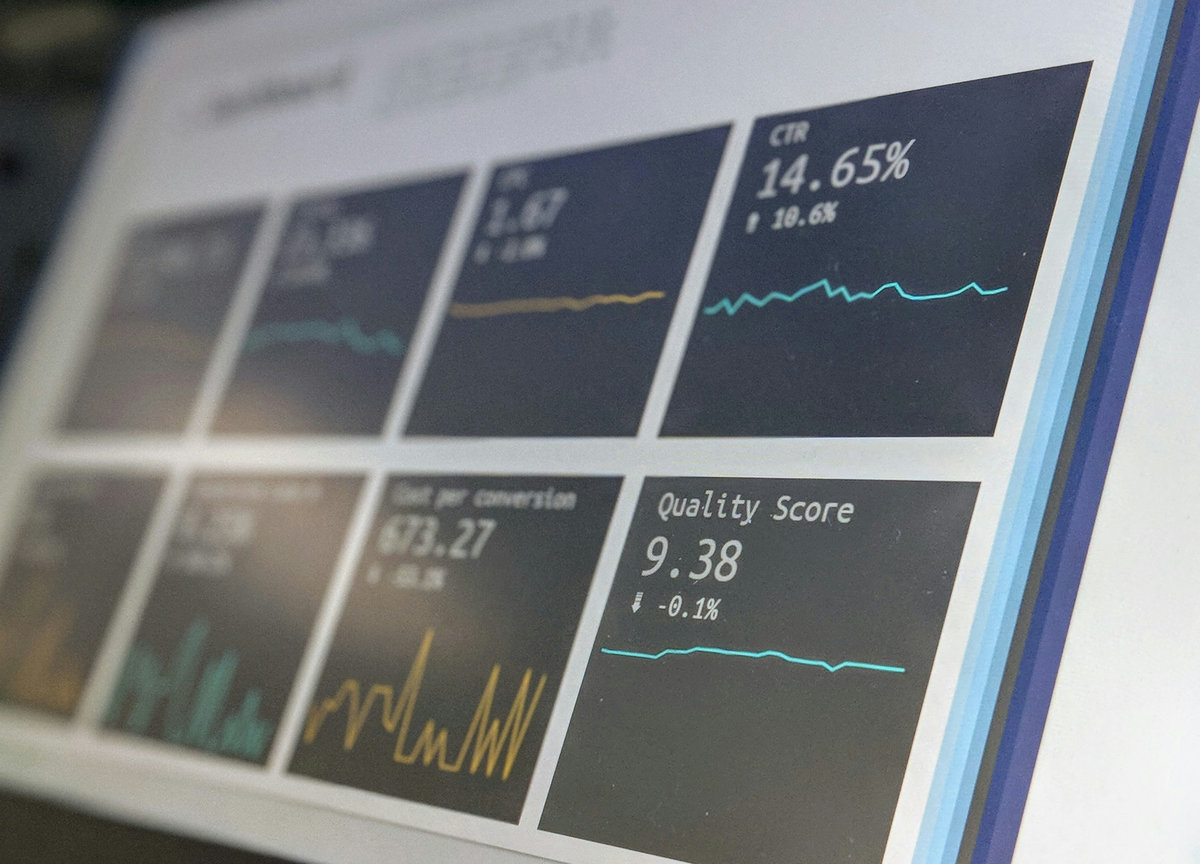
Access to reliable and accurate energy data is essential for effective energy management and a key foundation for identifying and implementing energy efficiency improvements.
DEM provides technical assistance in the development of centralized, state-of-the-art Energy Information Systems (EIS). These systems strengthen inter-agency cooperation in the collection, compilation, analysis, and dissemination of energy data and statistics. By improving access to high-quality data, they enable national governments to develop informed energy policies, strategies, and regulations.
To support institutional and human capacity development, DEM also offers tailor-made training programmes focused on advanced analytical methods for the development, management, and use of centralized energy databases.
Do not hesitate to contact us if you have any questions about our Monitoring and Evaluation services.